
Garden Grove Roofing Contractor for Repairs, Reroofs and Storm-Ready Roofs
Most Garden Grove roofs go six to eight months without a drop of rain, then take two inches in one winter storm. That's when a cracked pipe boot, a loose ridge tile or a sun-baked valley you never noticed becomes a brown stain on the ceiling. Add 60-year-old tract homes, Santa Ana gusts and the underlayment under your tiles slowly wearing out, and you can see why so many roofs here fail without warning. Garden Grove Roofing Solutions finds those weak spots before the rain does. Then we repair, restore or replace your roof with honest pricing and work that holds up.
We work on the roofs this city actually has: low-pitch 1950s ranch homes with skip sheathing under the old shake, concrete tile from 1980s remodels, flat patio covers that hold water, and membrane roofs on the strip centers along Brookhurst Street and Garden Grove Boulevard. Our crews work all over town, from the tract neighborhoods off Bolsa Avenue to the older buildings near Historic Main Street and the hotels in the Harbor Boulevard Grove District. We know the city's permit steps, and we know what usually turns up at tear-off.
- ✓Bonded roofing contractor
- ✓Fully insured crews
- ✓Free, written project quotes
- ✓Financing available
- ✓Serving within a 20-mile radius of Garden Grove
- ✓Residential, HOA and commercial roofing
- ✓Emergency leak response and tarping
Request Your Free Estimate
No obligation. Fast, honest quotes.
Thank you — your request was sent!
A member of the Garden Grove Roofing Solutions team will reach out shortly. Need help now? Call (714) 970-4441.
Why Garden Grove Roofs Need a Local Roofing Contractor
Garden Grove doesn't get blizzards or hail. What it does get is constant sun, short bursts of heavy rain, dry offshore winds and a big stock of homes built in the 1950s and '60s. Put those together and roofs here wear out in a particular way. A good roof plan has to account for that.
Climate: Sun, Sudden Storms and Santa Ana Winds
The city gets about 12–14 inches of rain a year, and more than 80% of it falls between November and March. Atmospheric-river storms can drop 1–3 inches in 24–48 hours, often after months of nothing. Small gaps stay hidden all summer and then leak in the first big storm. Summer highs sit in the low-to-mid 80s°F, and September heat waves push past 100°F. That steady UV breaks down shingles, sealants and the underlayment under tile, and south- and west-facing slopes take the worst of it. From October through March, Santa Ana gusts of 40–60+ mph lift shingle tabs and loosen hip and ridge tiles. In May and June the marine layer brings morning dew, which feeds moss on north slopes and slowly corrodes galvanized flashing. Freeze-thaw damage is almost nonexistent here. Sun and wind do most of the harm.
Built Environment: A City of 60-Year-Old Ranch Homes
Garden Grove grew from orange groves and chicken ranches into one of Orange County's fastest-growing suburbs. It incorporated in 1956 and passed 80,000 residents by the early 1960s. Most homes are single-story ranch tracts of 1,000–1,600 sq ft with low 3:12 to 4:12 pitches, wide eaves and attached carports. Many have been reroofed two or three times. The original shake was often nailed over spaced skip sheathing, which has to be covered with solid plywood or OSB before new roofing goes on. Decades of room additions, patio enclosures, garage conversions and ADUs have left mixed slopes, weak tie-ins and flat sections that hold water. The city sits in a highly seismic area near the Newport–Inglewood fault, so heavy tile has to be fastened properly. Old masonry chimneys can also crack the flashing around them.
Regulations: Permits, Title 24 and Tear-Off Rules
Garden Grove's Building & Safety Division requires a permit for reroofing and replacement, and for repairs over a minor-area threshold. Inspections usually include a sheathing or underlayment check before the new roofing goes on, plus a final. The code generally allows no more than two layers, and it bans overlays on wood shake, tile or badly damaged roofs. That means most older homes need a full tear-off. Title 24 cool-roof rules apply to many reroofs. Most of the city is mapped as Climate Zone 8, and low-slope roofs have to meet minimum reflectance and emittance values. HOAs usually control roof color and profile. Changes near Historic Main Street may get design review. Solar removal and reinstall can require electrical permits and coordination with SCE.
Market Context: Insurance Pressure and Energy Costs
California's homeowners-insurance market is tight. Carriers are inspecting older roofs more often, and some decline renewals because of roof age or condition. A documented inspection report or a recent replacement can help you keep coverage. Southern California Edison rates are high, and many 1950s homes have little attic insulation. Cool-roof shingles, better ventilation and radiant barriers can noticeably lower summer cooling costs. Lots are also tight here. Narrow side yards, mature trees and street parking mean every job needs a plan for dumpster placement, protecting landscaping and sweeping for nails.
Common Roofing Problems We See in Garden Grove
Most roof failures here have predictable causes: sun, wind, age and decades of add-on construction. Here are the problems we're called about most, why they keep showing up in Garden Grove, and the warning signs to look for before the next storm.
First-Storm Roof Leaks Emergency
These are active leaks that show up suddenly during the first heavy rain of the season. Water gets in through cracked flashing, failed pipe boots, clogged valleys or broken tiles that went unnoticed through the dry months. It soaks insulation and drywall within hours.
Why it's common hereGarden Grove can go six to eight months with almost no rain, so small defects never get tested. Summer heat dries out sealant, shrinks rubber pipe boots and lets debris pile up in valleys. When an atmospheric river drops two inches in a day, every one of those weak spots fails at once. That's why leak calls across the city bunch up in the first late-fall and winter storms, and why homeowners are often caught off guard when the ceiling stains appear.
Signs you'll notice- Brown or yellow ceiling stains after rain
- Dripping from light fixtures or vents
- Damp or musty attic insulation
- Bubbling paint near exterior walls
- Water marks on rafters or roof deck
- Puddles on window sills under eaves
We see these most on ranch homes with original-era plumbing vents. They also show up where additions meet the main roof and on low-slope back sections. Calls jump sharply in November and December, especially after a dry year.
Our fix: We start with emergency tarping to stop water from getting in. Then we trace the actual entry point and repair the flashing, boots or tiles. We photograph the damage for insurance.
Failed Underlayment Under Concrete Tile Serious
Concrete tile can last 50 years or more, but the felt underlayment beneath it usually gives out much sooner. Once it dries, cracks and crumbles, water that gets past the tiles goes straight to the wood deck.
Why it's common hereTile caught on in Garden Grove with 1970s and '80s infill and later remodels, so a lot of that original underlayment is now 35–45 years old. Heat builds up under the tiles, and summer days in the 80s and 90s°F bake the felt until it turns brittle. South- and west-facing slopes go first. The tiles still look fine from the street, so homeowners assume they have a 50-year roof. The real waterproofing layer underneath has quietly stopped working.
Signs you'll notice- Leaks despite no visibly broken tiles
- Brittle, torn felt visible at eaves
- Stains concentrated on south or west slopes
- Slipped or shifted tiles
- Rotted fascia below tile edges
- Roof is 25+ years old with original felt
This is common in 1970s–80s infill homes and in remodeled ranch homes that switched to tile, as well as in HOA townhome communities. Problems usually surface after a heavy-rain winter.
Our fix: We lift and relay the tile: remove the tiles, install new high-temperature underlayment and flashing, replace broken tiles, then reset and fasten everything to current code.
Santa Ana Wind Damage Serious
Strong offshore gusts tear off shingles, break the seal on shingle tabs, loosen ridge and hip tiles, and drop debris like palm fronds and eucalyptus limbs onto the roof and into gutters.
Why it's common hereSanta Ana winds blow mainly October through March, with gusts of 40–60+ mph across inland Orange County. Shingles that have baked in the sun for years lose their adhesive seal, so the wind gets under them easily. Older tile roofs often have ridge and hip pieces set in mortar with too few fasteners. Mature trees throughout Garden Grove's older tracts add to the debris. The damage usually comes just before the rainy season, which leaves the roof open for the next storm.
Signs you'll notice- Shingles or tile pieces in the yard
- Exposed nail lines or bare felt
- Lifted or creased shingle tabs
- Loose or missing ridge caps
- Branches or fronds lodged in valleys
- Gutters packed with debris
We see the most damage on older composition roofs on exposed corner lots and on homes under eucalyptus or palms. Repair and insurance calls spike after fall wind events.
Our fix: We secure or replace lifted shingles and reset hip and ridge tiles with mechanical fasteners. We clear debris and document the damage for your insurance claim.
Patchwork Roofs and Bad Addition Tie-Ins Moderate
These roofs mix slopes and materials after room additions, patio enclosures, garage conversions or ADUs. Leaks start where new framing meets the original roof, or where steep-slope shingles were put on sections too flat for them.
Why it's common hereGarden Grove's 1950s tract homes have collected decades of additions, often built by different crews to different standards. A 2:12 patio enclosure covered in shingles meant for 4:12 and up will leak in wind-driven rain. Crickets, step flashing and valleys at tie-ins are often skipped. Clay-heavy soil also settles over time and can open gaps at the joint between the old house and the addition.
Signs you'll notice- Leaks along the wall where addition meets house
- Shingles on nearly flat sections
- Ponding on patio covers or carports
- Mismatched roof heights with no flashing
- Overflowing, undersized gutters
- Cracked stucco at roof-wall junctions
This is common in single-story ranch tracts with enclosed patios, converted garages and newer backyard ADUs. Problems usually show up on the back of the house, where they go unnoticed longest.
Our fix: We rebuild tie-ins with proper flashing and crickets. Low-slope sections get the right membrane system, and we resize gutters to handle storm flow.
Sun-Worn Asphalt Shingles Moderate
This is premature aging of composition shingles caused by UV and heat. Granules wash off, shingles turn brittle and curl, and the asphalt underneath is left exposed. Eventually the roof can't shed water or hold up in wind.
Why it's common hereGarden Grove gets strong sun all year, and long dry stretches mean the roof never gets a break. Low-pitch ranch roofs soak up heat, and many have undersized attic ventilation, which cooks shingles from below as well. A shingle rated for 25–30 years elsewhere may show serious wear in 15–20 here, especially on south and west exposures.
Signs you'll notice- Granules collecting in gutters
- Curled or cupped shingle edges
- Cracked or brittle tabs
- Bald or dark patches
- Hot upstairs rooms and high cooling bills
- Shingles older than 15–20 years
We find this throughout 1950s–60s tracts on second- or third-generation composition roofs, especially homes with few eave vents and no ridge ventilation.
Our fix: If the deck is sound, we repair worn areas. Otherwise we recommend a full replacement with cool-rated shingles and balanced intake and exhaust ventilation.
Rotted Fascia, Eaves and Rafter Tails Moderate
This is decay and termite damage in the wood at the roof edge: fascia boards, eave sheathing and exposed rafter tails. It weakens the support for gutters and drip edge and gives pests a way in.
Why it's common hereGarden Grove's ranch homes have wide eaves with exposed wood that's 60–70 years old. Overflowing gutters, morning marine-layer dew and missing drip edge keep the wood damp. Drywood and subterranean termites are common in older Orange County framing. The damage usually stays hidden until a tear-off, which is why up-front inspection and clear wood-replacement pricing matter so much here.
Signs you'll notice- Soft or crumbling fascia boards
- Sagging gutters
- Peeling paint at eaves
- Termite pellets or mud tubes
- Holes or gaps in eave vents
- Roof rats or birds in the attic
We see this on original tract homes with exposed rafter tails, carport edges and patio covers. North-facing and tree-shaded eaves are hit hardest.
Our fix: We replace damaged fascia, rafter tails and eave boards at transparent per-foot pricing. We also install drip edge and screen vents to keep roof rats and birds out.
Leaks Around Solar Panel Penetrations Minor
These are slow leaks around solar mounting brackets, conduit runs and old penetrations from earlier installs. Mount flashing or sealant fails, and water tracks down the attachment points into the deck.
Why it's common hereLots of Garden Grove homeowners added solar to roofs that were already middle-aged. Some installers relied on sealant instead of flashed mounts, and that sealant breaks down in the sun. When the roof wears out under the array, the panels have to be removed and reinstalled, which takes coordination with SCE.
Signs you'll notice- Stains directly below the array
- Caulk-only seals at mounts
- Cracked or brittle sealant
- Conduit runs with no flashing
- Debris and nests under panels
This is common on ranch homes that added solar 8–15 years ago over composition roofs that were already 10+ years old.
Our fix: We reflash the mounts. If the roof is near the end of its life, we coordinate removing the panels, replacing the roof and reinstalling the array.
Roofing Services for Garden Grove Homes and Businesses
We fix the problem you have, the right way for the roof you have. That might be a single cracked boot, a tile roof that needs new underlayment, or a full tear-off down to 1950s skip sheathing. Each service below is set up for Garden Grove's climate, building stock and permit rules.
Roof Repair
We repair leaks, flashing failures, cracked pipe boots, wind-lifted shingles, broken or slipped tiles, and damaged valleys. The goal is to fix the actual source of the water, not just cover the stain.
Our approachWe trace water from the attic up to the roof, document everything with photos, and replace failed parts with matching materials. Where code requires it, we pull the permit.
In Garden Grove, CAIn Garden Grove, the most common repairs are original-era vent flashings, addition tie-ins and wind-loosened ridge tiles. We time preventive repairs before November so small gaps get fixed before the first atmospheric-river storm turns them into ceiling damage.
Best for: Homeowners with a specific leak, storm damage or worn components on a roof that still has useful life left. Repair costs far less than replacement.
Roof Replacement ⭐ Specialty
We tear off old roofing down to the deck, fix any structural problems we find, and install a new roof system. That includes underlayment, flashing, ventilation and the finished roofing material.
Our approachWe do a full tear-off when code calls for it. Skip sheathing gets covered with new plywood or OSB, and rotted wood is replaced at prices quoted in advance. We handle the permit and the city inspections. Shingles are Title 24 cool-rated where required.
In Garden Grove, CAMost Garden Grove reroofs are 60-year-old ranch homes with skip sheathing, hidden earlier layers and tired eaves. We price those conditions up front and plan for tight side yards. That means protecting your landscaping and running magnetic nail sweeps every day.
Best for: Roofs past their service life, homes facing insurance non-renewal, or roofs with repeated leaks. It's also the right time to plan around existing or future solar.
Roof Installation
We install new roof systems on additions, ADUs, patio enclosures and new construction. We tie the new roof into the existing house so it looks and works like a single roof.
Our approachWe match slope to material: shingle or tile on steep slopes, and modified bitumen or single-ply membrane on low slopes. Crickets, step flashing and gutters are sized to the slope.
In Garden Grove, CAGarden Grove's ADU and addition boom means a lot of new roof sections are going onto old houses. We make sure low-slope sections get the right membrane, tie-ins are flashed properly, and solar-ready and Title 24 rules are met.
Best for: Homeowners adding living space, building an ADU or enclosing a patio who want the new roof to keep water out at the joint for decades.
Roof Inspection
We inspect the roof surface, flashings, attic, ventilation and eaves. You get a written report with photos, an estimate of remaining life, and a list of repairs ranked by priority.
Our approachWe walk the roof where it's safe, check the attic for moisture and daylight, probe the fascia and decking, and photograph every finding. The report is written in plain language.
In Garden Grove, CAGarden Grove homeowners use our inspections to respond to insurance carrier requests and to check a roof before buying or selling a home. Many also schedule one before the rainy season so tile underlayment and flashing problems get caught while the weather is still dry.
Best for: Buyers, sellers, homeowners with insurance renewal questions, and anyone whose roof is 15+ years old who doesn't know its condition.
Roof Maintenance
We provide scheduled upkeep that adds years to a roof. That covers clearing debris, resealing exposed flashings, replacing worn pipe boots, resetting slipped tiles and clearing gutters and valleys.
Our approachWe do one or two visits a year, ideally in early fall before Santa Ana season and the first storms, with a short report and photos after each visit.
In Garden Grove, CAGarden Grove's mature palms and eucalyptus clog valleys, and the summer sun breaks down sealants year after year. A fall tune-up handles both before October winds and November rain show up.
Best for: Tile roofs, roofs under heavy tree cover, HOA properties and landlords who want to avoid emergency calls and tenant complaints.
Commercial Roofing ⭐ Specialty
We repair, restore, coat and replace flat and low-slope roofs on strip centers, apartment complexes, condo communities, offices and hospitality buildings.
Our approachWe work with built-up, modified-bitumen and single-ply membranes. Restorations use reflective coatings that meet Title 24 low-slope requirements. We correct drainage and fix ponding, and we schedule work so tenants can stay in place.
In Garden Grove, CAWe know the flat-roof retail strips along Brookhurst, Bolsa, Harbor, Beach and Garden Grove Boulevard. We also handle 1960s–80s apartment roofs managed by HOAs and older wood-frame buildings near Historic Main Street. Pre-1980s built-up roofs get asbestos screening before tear-off.
Best for: Property managers, HOA boards and business owners who need dependable flat-roof performance, budget planning and as little disruption to tenants as possible.
Emergency Roofing
We respond to active leaks, wind damage and debris impacts. We tarp and stabilize the roof first to stop further interior damage, then plan the permanent repair.
Our approachWe secure heavy-duty tarps, clear debris, make temporary seals and photograph the damage so you have what you need for an insurance claim.
In Garden Grove, CAGarden Grove's leak calls bunch up in the first winter storms and after Santa Ana wind events. When water is coming through the ceiling, we prioritize stopping it.
Best for: Anyone with water coming in, missing shingles or tiles after high winds, or a tree limb or palm frond that has damaged the roof.
Our Roofing Process, Step by Step
No surprises and no pressure. Every project follows the same five steps, so you know what will happen, when it will happen and what it will cost before any work starts.
Free Inspection and Consultation
- Roof walk and attic check for moisture, ventilation and decking condition
- Probing of fascia, eaves and rafter tails for rot or termite damage
- Photos of every finding
- Discussion of your goals, budget, HOA rules and any solar on the roof
Local note: On older ranch homes we specifically check for skip sheathing and hidden earlier layers, so they don't become surprises at tear-off.
Clear Written Estimate
- Line-item scope covering materials, labor, permit and disposal
- Per-unit pricing for any wood replacement, stated in advance
- Options when they make sense, such as repair vs. replace or relaying vs. replacing tile
- Financing options explained if you're interested
Local note: California law caps home improvement down payments at 10% of the contract price or $1,000, whichever is less. Our contracts follow that rule.
Permits and Scheduling
- We pull the reroof permit from Garden Grove Building & Safety
- We confirm the Title 24 climate zone and cool-roof requirements
- We coordinate HOA approval or solar removal if needed
- We plan dumpster placement around tight lots and street parking
Local note: We try to schedule replacements during dry-season windows and keep tarps ready for unexpected winter weather.
Installation and Inspections
- We protect landscaping, walls and driveways before tear-off
- We remove old roofing down to the deck and replace damaged wood
- The city inspects the sheathing or underlayment before the roofing goes on
- We install flashing, ventilation and the new roof
Local note: Pre-1980s built-up roofs get asbestos screening before removal, and all debris is disposed of properly.
Final Walkthrough and Cleanup
- Magnetic nail sweep of the yard, driveway and street
- Final city inspection and permit sign-off
- Walkthrough together, with before-and-after photos
- Documentation you can give your insurance carrier
Local note: Your inspection photos and permit sign-off can help when a carrier asks about your roof's age or condition.
Why Garden Grove Homeowners Choose Us
We Know Garden Grove Roofs
Our work is built around this city's housing stock: 1950s and '60s ranch tracts with low pitches, skip sheathing, wide wood eaves and decades of additions. We know where these roofs usually fail. That means tie-ins at enclosed patios, original vent flashings, tile underlayment on south slopes and ridge tiles loosened by Santa Ana winds. We also know the local logistics, from narrow side yards and mature trees to the city's permit and inspection steps. Your project gets planned around real Garden Grove conditions, not a generic checklist.
Bonded and Insured
Garden Grove Roofing Solutions is bonded and insured, which protects you if something goes wrong on the job. That matters in a city where unlicensed storm chasers and handymen show up after every windstorm. Before you hire any roofer, ask for proof of insurance and look up their contractor license with the California Contractors State License Board. We welcome those questions. If we're working on your home, you should know exactly who is responsible.
Honest, Up-Front Pricing
The biggest worry we hear about older homes is change orders. So we inspect carefully, photograph what we find, and give you per-unit pricing for sheathing, fascia and rafter-tail repair before work starts. If tear-off turns up something unexpected, you see photos and the pre-agreed price before we go further. Our written estimates list materials, labor, permit and disposal separately. Our deposits follow California's 10%-or-$1,000 limit.
Steep-Slope and Flat-Roof Know-How
Many Garden Grove homes mix a shingle or tile main roof with flat patio covers, carports and low-slope additions. A lot of roofers only handle one of those well. We install and repair both: composition shingle and concrete tile on steep slopes, and modified bitumen, single-ply membranes and coatings on low slopes. Each section gets the right system, and the transitions are flashed so they stay dry.
Fast Help When Storms Hit
Leaks here tend to show up all at once, in the first heavy storm of the season or after a Santa Ana wind event. Our emergency roofing service puts stopping the water first. We tarp, clear debris and make temporary seals to protect your ceilings, drywall and insulation. Then we photograph the damage for your insurance claim and schedule a permanent repair that fixes the actual entry point.
We Treat Your Property with Care
Garden Grove lots are tight, with close neighbors, shared driveways and established landscaping. We cover plants and walls before tear-off, put dumpsters where they won't block neighbors, keep the site tidy each day and finish with a magnetic nail sweep. During repairs we can also screen damaged eave vents and close gaps so roof rats, raccoons and pigeons can't get into your attic.
Financing to Fit Your Budget
A roof replacement is a major expense, and the timing isn't always up to you. An insurance carrier may require it, or a storm may force the issue. Financing is available, so you can protect your home now and pay over time. We'll go over the options with your estimate, so you can compare repair, restoration and replacement on cost and on how long each will last.
Roofing You Can Trust in Garden Grove
Garden Grove homeowners hire us for straight answers and careful work: photos of everything we find, prices listed in advance, and a clean yard at the end of every day.
Bonded • Insured • Financing available
Areas We Serve in and Around Garden Grove
We're based in Garden Grove and work across the whole city, from the West Garden Grove tracts to the Harbor Boulevard hotel corridor. We also serve nearby communities within 20 miles, where the homes and roofing problems are much the same.
West Garden Grove
Central Garden Grove
East Garden Grove and Nearby Cities
Not sure if we cover your area? Call (714) 970-4441.
How Much Does a Roof Cost in Garden Grove?
Costs depend on your roof's size, material and slope, and on what's hiding under the current roofing. Here's what drives pricing on Garden Grove homes, along with realistic ranges for common projects. Every estimate starts with a free inspection.
Deck Condition and Skip Sheathing Primary Factor
Many Garden Grove homes still have the spaced skip sheathing that went under the original wood shake. Before a new shingle or tile roof can go on, it needs a full plywood or OSB deck, which typically adds a few thousand dollars on a 1,400 sq ft home. We check for skip sheathing during the inspection and price it in writing, so it's in your budget from the start instead of showing up as a change order.
Roofing Material Primary Factor
Cool-rated composition shingles are usually the most affordable full replacement. Concrete tile costs more up front and adds weight that has to be fastened properly in this seismic area. Lifting and relaying existing tile with new underlayment often costs less than new tile, because sound tiles get reused. Low-slope membranes and coatings are priced by system type and thickness.
Tear-Off Layers and Disposal Secondary Factor
Code bans overlays on shake, tile and damaged roofs, so most older homes need a full tear-off. Each hidden layer from an earlier reroof adds labor and dump fees. Pre-1980s built-up rock roofs may need asbestos screening before removal, which can affect both cost and schedule.
Wood Repair, Ventilation and Code Upgrades Secondary Factor
Rotted fascia, rafter tails and termite-damaged eaves are common on 60-year-old ranch homes, and we price them per linear foot. Adding intake and ridge ventilation, meeting Title 24 cool-roof requirements and permit fees also go into the total. Most of these upgrades lower cooling costs and help the roof last longer.
Solar, Access and Roof Complexity Variable Factor
Removing and reinstalling solar panels is usually a separate line item, and it may require electrical permits and coordination with SCE. Mixed slopes from additions, multiple valleys, chimneys, and tight lots with limited dumpster access all add labor time.
| Typical project | Details | Estimated range |
|---|---|---|
| Leak repair after the first winter storm | Replace a cracked pipe boot and reflash a vent on a composition roof, including a tarp if needed | $450 – $1,500 |
| Shingle reroof on a 1950s ranch home | About 1,400 sq ft single-story home, tear-off to skip sheathing, new OSB deck, cool-rated architectural shingles, permit | $15,000 – $26,000 |
| Tile lift-and-relay underlayment replacement | About 1,800 sq ft concrete tile roof, new high-temp underlayment and flashing, broken tiles replaced | $16,000 – $30,000 |
| Flat patio cover or carport roof | 300–500 sq ft low-slope section re-covered with modified bitumen or single-ply, drainage corrected | $3,000 – $7,500 |
Financing is available on qualifying projects, so you can deal with an urgent replacement or an insurance-required reroof without paying everything at once. Ask about options when you get your free quote. A properly installed, well-ventilated roof protects your home from water damage, can help you keep insurance coverage, and can lower summer cooling costs under SCE's high rates. That makes it one of the most practical upgrades you can make to an older Garden Grove home.
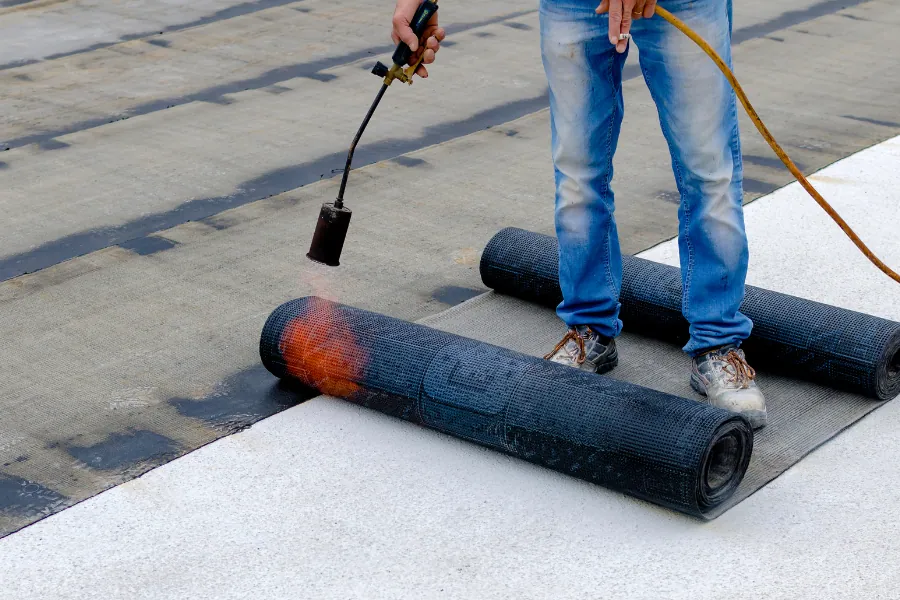
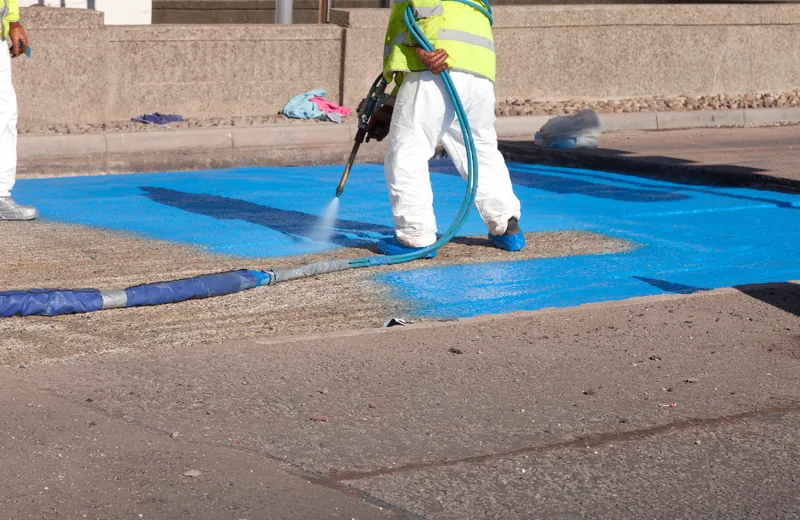
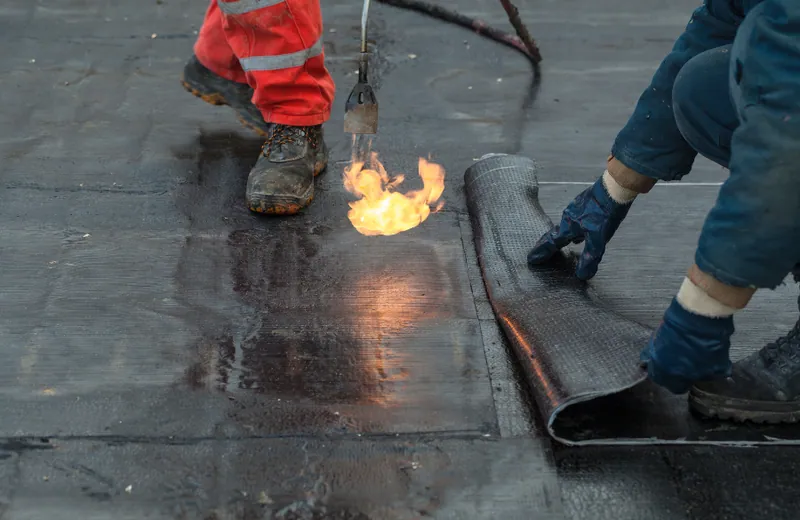
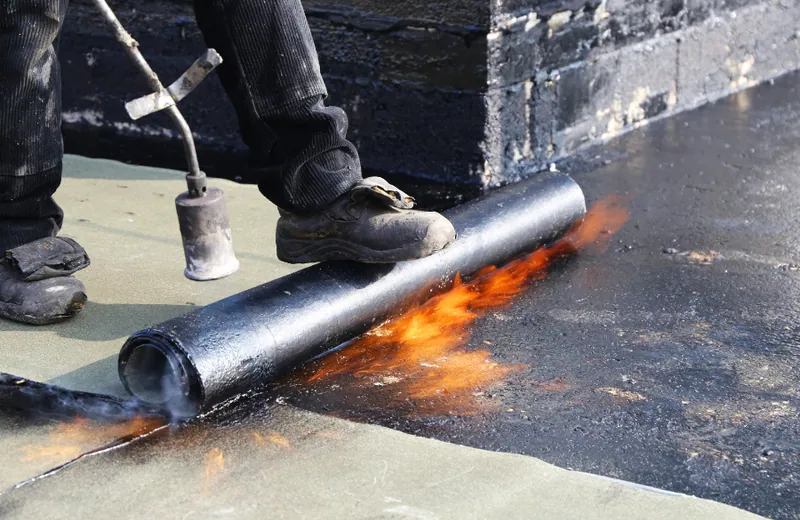
Recent roofing Projects in Garden Grove, CA

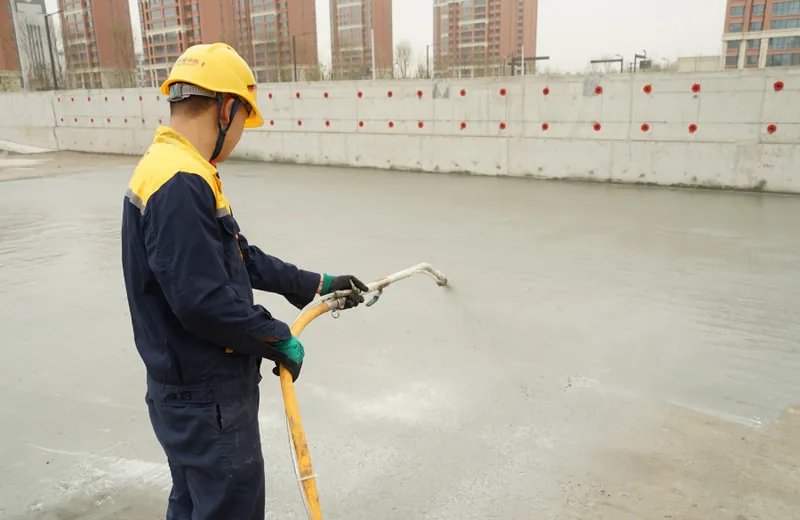

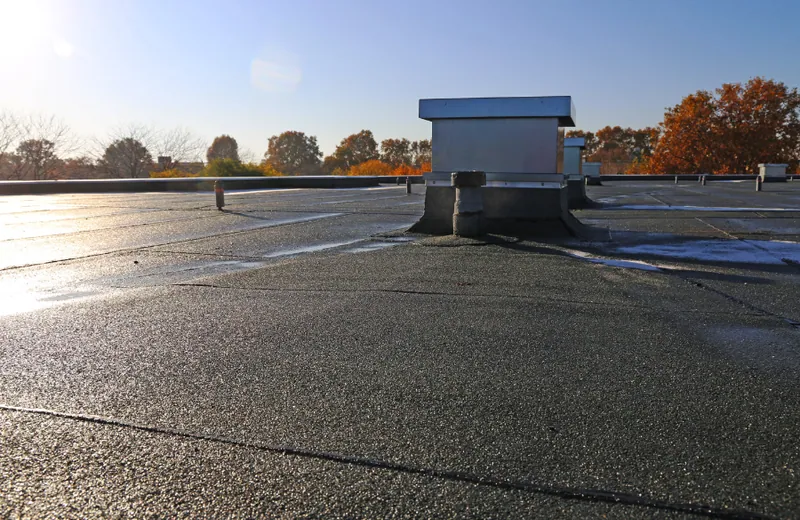
Garden Grove Roofing FAQs
How much does a roof replacement cost in Garden Grove?
A typical shingle reroof on a 1,000–1,600 sq ft Garden Grove ranch home usually runs about $15,000–$26,000, and concrete tile projects generally cost more. The biggest variables are the deck and the layers underneath. Many homes here still have skip sheathing from the original shake roof, and that needs a new plywood or OSB deck before new roofing goes on. Rotted fascia, solar removal and ventilation upgrades also affect the total. We'll inspect your roof and give you a written, line-item estimate for free, with wood-repair pricing listed in advance.
Do I need a permit to replace my roof in Garden Grove?
Yes. The City of Garden Grove's Building & Safety Division requires a building permit for reroofing and roof replacement, and for repairs over a minor-area threshold. Inspections usually include a sheathing or underlayment check before the new roofing goes on, plus a final inspection. Many reroofs also have to meet Title 24 cool-roof and ventilation requirements. We handle the permit, schedule the inspections and confirm your parcel's climate zone. If you're in an HOA or near Historic Main Street, we'll also help you through any approval or design review steps.
How long does a roof replacement take?
Most single-family reroofs in Garden Grove take 2–5 working days once materials and the permit are ready. A simple shingle tear-off on a small ranch home sits at the shorter end. Tile lift-and-relay work, extensive wood repair, solar removal and reinstall, or roofs with several additions take longer. City inspection scheduling can add a day here and there. Before we start, we'll give you a realistic timeline that includes permit timing, and we'll keep you updated if the weather or an inspection changes it.
My tile roof looks fine. Why is it leaking?
Concrete tile can last 50 years or more, but the underlayment beneath it usually doesn't. In Garden Grove's heat and sun, especially on south and west slopes, that felt dries out, cracks and stops shedding water, often decades before the tiles show any wear. Water that gets past the tiles then reaches the wood deck. The usual fix is a lift-and-relay: we remove the tiles, install new high-temperature underlayment and flashing, replace any broken tiles, and reset them. It often costs much less than a brand-new tile roof.
When should I call a roofer instead of waiting?
Call right away if water is coming in, if you see ceiling stains after rain, or if shingles or tiles came off in a Santa Ana wind. Schedule an inspection soon if your shingles are 15–20+ years old, there's granule buildup in your gutters, the fascia is soft, or your insurer is asking about the roof's condition. The best time for preventive work is late summer or early fall, before the November storms. Small gaps that stay hidden through the dry season can turn into drywall and mold damage within one heavy storm.
How can I prevent roof leaks before the rainy season?
Book an inspection or maintenance visit in September or October. Get the valleys and gutters cleared of palm fronds and eucalyptus debris. Have cracked pipe boots replaced, exposed flashings resealed and slipped tiles reset. Trim branches that hang over the roof, and check that attic vents are open and screened. Look in your attic with a flashlight for stains or daylight. If you have flat patio covers or carports, make sure water drains instead of pooling. These steps take care of most of the failure points that cause first-storm leaks in Garden Grove.
Can you work on a roof that has solar panels?
Yes. Lots of Garden Grove homes added solar to roofs that were already aging, and leaks around old mounting penetrations are common. For repairs, we reflash the mounts properly instead of relying on sealant alone. For a full replacement, the panels have to be removed and reinstalled, which may require electrical permits and coordination with Southern California Edison under net-metering rules. We help plan the timing so your system is down for as little time as possible, and we flash every mount on the new roof correctly.
Will a new roof or inspection help with my homeowners insurance?
It often does. California's insurance market is tight, and carriers are inspecting older roofs more and sometimes declining renewals because of roof age or condition. A documented inspection report with photos and an estimate of remaining life can answer an insurer's questions. If replacement is needed, the permit sign-off and project documentation show the roof is new and up to code. We can't guarantee what a carrier will decide, but clear documentation gives you a much better case.
Serving Garden Grove, CA & Nearby
Get Your Free Garden Grove Roof Inspection
Don't wait for the first big storm to find your roof's weak spots. Let us inspect it, explain what we find in plain language, and give you an honest written quote. There's no obligation.
- ✓A free, thorough roof and attic inspection with photos
- ✓A clear, line-item written estimate with wood-repair pricing listed in advance
- ✓Permits and city inspections handled for you
- ✓A bonded and insured crew that protects your yard and cleans up every day
- ✓Honest repair-vs-replace advice based on your roof's actual condition
- ✓Financing options for larger projects
- ✓Documentation you can share with your insurance carrier
⚡ Water coming through the ceiling? Call now. We'll prioritize stopping the leak with emergency tarping and then plan a permanent repair.
Bonded • Insured